How To Solve Stepper Motor Stalling Problems in Automation Systems?
Date: 2026-02-02
GUANGZHOU HAOQING MOTOR CO.,LTD
For technical consultation and product inquiries, please contact us.
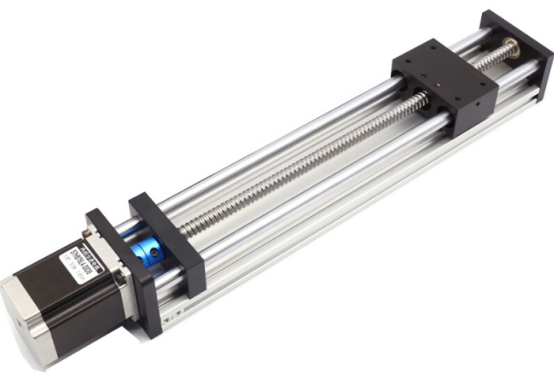
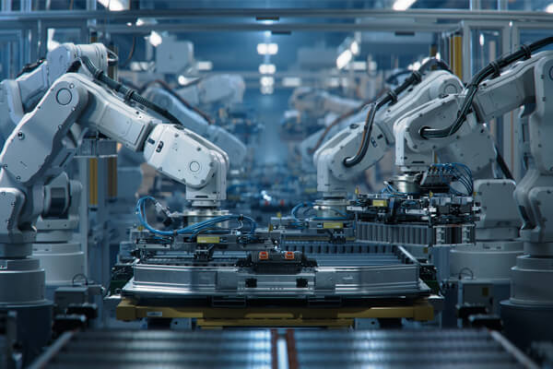
Stepper motor stalling is one of the most critical reliability challenges in modern automation. In high-precision machinery, even a brief stall can trigger position loss, production downtime, mechanical wear, and quality defects. We address stalling not as a single fault, but as a system-level performance issue involving motor selection, drive configuration, load dynamics, power integrity, and control strategy.
This comprehensive guide details proven engineering methods to diagnose, prevent, and permanently eliminate stepper motor stalling in industrial automation systems.
Understanding Stepper Motor Stalling in Industrial Automation
A stall occurs when the motor’s electromagnetic torque is insufficient to overcome load torque plus system losses. Unlike servo systems, a standard stepper motor does not provide inherent position feedback. When a stall happens, the controller continues issuing pulses while the rotor fails to follow, resulting in lost steps and undetected positioning errors.
Common stall symptoms include:
- Sudden vibration or buzzing sounds
- Loss of holding force at standstill
- Inconsistent positioning accuracy
- Unexpected system stops or alarms
- Overheating of motors and drivers
Stalling is rarely caused by one factor alone. It emerges from a combination of mechanical load mismatch, electrical limitations, and improper motion profiles.
Guangzhou haoqing motor co.,ltd have provided numerous synchronous motor solutions for automated production lines. Feel free to discuss details if you have needs.